

Carbon Steel vs Stainless Steel Pipe: Which One Should You Choose?
Choosing between carbon steel and stainless steel pipes is a critical decision for engineers, procurement managers, and project developers across the UAE and Middle East. Whether sourcing API 5L carbon steel pipe suppliers in UAE for oil transmission or comparing ASTM A312 stainless steel pipe dimensions for a food-grade system, the right material directly impacts durability, safety, and lifecycle costs.
This guide explains the material differences, applications, and selection criteria to help you make an informed purchasing decision.
What is Carbon Steel Pipe?
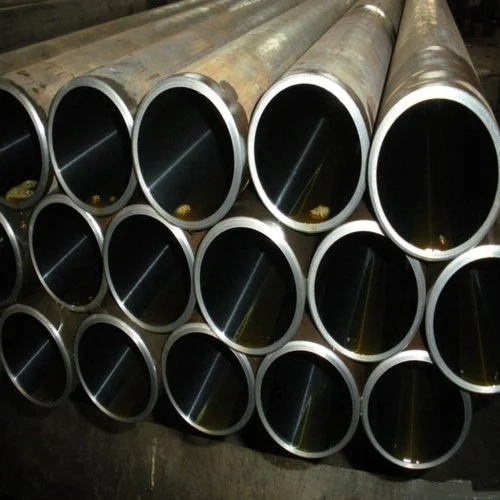
Carbon steel pipe is manufactured from an iron–carbon alloy with small amounts of manganese and silicon to enhance strength. Known for its durability and affordability, it remains the backbone of industrial piping systems. Common specifications include ASTM A106 Grade B pipes for high-temperature service, ASTM A53 pipes for structural use, and API 5L carbon steel pipes for oil and gas transportation.
Available in schedules such as SCH 40 and SCH 80, these pipes allow engineers to match wall thickness with pressure requirements. Companies searching for carbon steel pipe schedule 40 price in Dubai often choose this material due to its cost efficiency and high load-bearing capacity.
However, carbon steel is vulnerable to corrosion if left uncoated, which is why protective coatings or galvanization are recommended for humid or coastal environments.
What is Stainless Steel Pipe?
Stainless steel pipe is an iron-based alloy containing chromium, nickel, and sometimes molybdenum, which form a protective oxide layer that prevents rust. Grades such as SS 304, SS 316, and SS 317L are widely used in industries requiring hygiene and corrosion resistance. Manufactured under standards like ASTM A312, these pipes are available in seamless and welded forms.
For marine and chemical applications, many buyers specifically request SS 316 pipe suppliers in UAE due to its superior resistance to chlorides and seawater corrosion. Similarly, project engineers often review stainless steel pipe price per meter in Dubai to evaluate lifecycle value rather than upfront cost.
Although stainless steel pipes carry a higher initial price, their longevity and minimal maintenance often result in long-term savings.
Key Differences Between Carbon Steel and Stainless Steel Pipes
When comparing carbon steel and stainless steel, cost is often the first consideration. Carbon steel is more economical upfront, which is why many contractors search for carbon steel vs stainless steel pipe cost in UAE during project planning. Stainless steel, however, offers superior corrosion resistance, making it the preferred choice for harsh environments.
In terms of temperature tolerance, both materials perform well, but stainless steel maintains strength and oxidation resistance at extreme temperatures. Fabrication is another factor — stainless steel provides cleaner welds and is ideal for sanitary systems, while carbon steel is easier to machine for structural applications.
Maintenance also differs significantly. Carbon steel requires coatings and periodic inspection, whereas stainless steel systems are largely maintenance-free, particularly in marine and chemical settings.
When to Use Carbon Steel Pipes
Carbon steel pipes are widely used in industries where strength and cost efficiency are critical. In the oil and gas sector, API 5L carbon steel pipes are the standard choice for transporting crude oil and natural gas across long distances. Procurement teams frequently source API 5L pipe suppliers in UAE for pipeline expansion and infrastructure projects.
Beyond pipelines, carbon steel is commonly used in structural frameworks, piling, and industrial supports due to its high load-bearing capacity. It is also suitable for refinery and power plant process piping operating at moderate temperatures and pressures.
With proper coatings, carbon steel can perform reliably even in mildly corrosive environments, making it a practical choice for large-scale industrial projects.
When to Use Stainless Steel Pipes
Stainless steel pipes are essential in applications where corrosion resistance and hygiene are non-negotiable. Offshore platforms and coastal facilities rely on SS 316 pipes for seawater applications because they resist salt-induced corrosion. In the food and pharmaceutical industries, stainless steel piping ensures sanitary conditions and compliance with hygiene standards.
Chemical processing plants also depend on stainless steel due to its resistance to aggressive chemicals and high temperatures. Buyers searching for ASTM A312 TP316L pipe suppliers in Dubai often prioritize long-term reliability over initial cost.
Water treatment and desalination facilities across the Middle East also prefer stainless steel piping to ensure safe and durable potable water systems.
What About Duplex Stainless Steel?
Duplex stainless steel offers a middle ground between carbon steel and austenitic stainless steel. With a mixed ferritic–austenitic microstructure, grades such as Duplex 2205 provide high strength and excellent resistance to stress corrosion cracking.
This makes duplex pipes ideal for offshore oil and gas platforms, desalination plants, and chemical processing facilities. Many contractors compare duplex vs 316 stainless steel pipe when selecting materials for high-pressure, corrosive environments.
Although duplex steel is more expensive than carbon steel, its superior durability and reduced maintenance often deliver better long-term value.
Summary Comparison Table
| Feature | Carbon Steel Pipe | Stainless Steel Pipe | Duplex Pipe |
|---|---|---|---|
| Initial Cost | Low | High | Medium–High |
| Corrosion Resistance | Low (needs coating) | Excellent | Superior |
| Strength | High | Moderate | Very High |
| Maintenance | Higher | Low | Low |
| Temperature Range | High | Very High | Very High |
| Typical Uses | Oil & gas, structural | Food, marine, chemical | Offshore, desalination |
How to Choose the Right Pipe Material
Selecting the right piping material depends on environmental conditions, operating temperature, and budget. For inland oil and gas pipelines, carbon steel offers a cost-effective solution. In contrast, coastal and chemical environments benefit from stainless steel or duplex materials due to superior corrosion resistance.
Project managers evaluating stainless steel pipe price in UAE versus carbon steel lifecycle costs often find stainless steel more economical over time, especially where maintenance access is limited.
Contact Metal Junction FZE for CS & SS Pipe Supply in UAE
If you are searching for reliable API 5L carbon steel pipe suppliers in UAE or need accurate ASTM A312 stainless steel pipe dimensions for project planning, Metal Junction FZE provides certified materials with fast delivery across the UAE and GCC.
From SS 316 pipe suppliers in Dubai for marine applications to duplex steel solutions for offshore platforms, our team ensures competitive pricing, mill test certification, and expert support.
Request a quote today and secure high-quality carbon steel and stainless steel pipes tailored to your project requirements.
Tags :
Related Post